13th ACM Cyber-Physical System Security Workshop (CPSS 2027)
held in conjunction with
ACM AsiaCCS'27
July 13, 2027, Macau
Important Dates
News
Updates for CPSS 2027 will be announced here.
Call for Papers
Cyber-Physical Systems (CPS) include interconnected and heterogeneous components that interact with a physical environment, such as an industrial control system that senses and actuates on an industrial physical process, or a drone that flies semi-autonomously using sensors and actuators. There exists a multitude of CPS devices and applications deployed to serve critical functions, thus making their security essential.
The Cyber-Physical System Security Workshop (CPSS) provides a platform for professionals from academia, government, and industry to present and discuss new and valuable ways to improve the security of CPSs. The workshop seeks submissions with novel theoretical and practical solutions to security challenges in CPS. Since CPS is a broad area, papers about the security of IoT, IIoT, SCADA, smart grid, vehicles, and other critical infrastructure are welcome. We also accept surveys and SoK papers, provided they are presented as regular papers. Topics of interest include, but are not limited to:
- Attack detection for CPS
- Authentication and access control for CPS
- Autonomous vehicle security
- Availability and auditing for CPS
- Data security and privacy for CPS
- Deception technologies for CPS
- CPS digital twins, cyber range, testbed
- Embedded systems security
- Formal methods in CPS
- Industrial control system security
- IoT and IIoT security
- AI for CPS security
- Legacy CPS system protection
- Lightweight crypto and security
- Maritime cyber security
- Recovery from cyber attacks
- Security and risk assessment for CPS
- Security architectures for CPS
- Security by design for CPS
- Smart grid security
- Threat modeling for CPS
- Transportation system security
- Vulnerability analysis for CPS
- Wireless sensor network security
Submission Instructions
Submission link: To be announced.
Submitted papers must not substantially overlap papers that have been published or that are simultaneously submitted to a journal or a conference with proceedings. The review process is double-blinded. The submitted PDF version should be anonymized. Submissions must be in double-column ACM SIG Proceedings format (See here), and should not exceed 12 pages. Position papers describing the work in progress and papers describing novel testbeds are also welcome. Only pdf files will be accepted. Authors of accepted papers must guarantee that their papers will be presented at the workshop. At least one author of the paper must be registered at the appropriate conference rate. Accepted papers will be published in the ACM Digital Library. There will also be a best paper award.
Organizers
Dieter Gollmann (Hamburg University of Technology, Germany)
Ravishankar Iyer (UIUC, USA)
Douglas Jones (UIUC, USA)
Javier Lopez (University of Malaga, Spain)
Jianying Zhou (SUTD, Singapore) - Chair
Program Chairs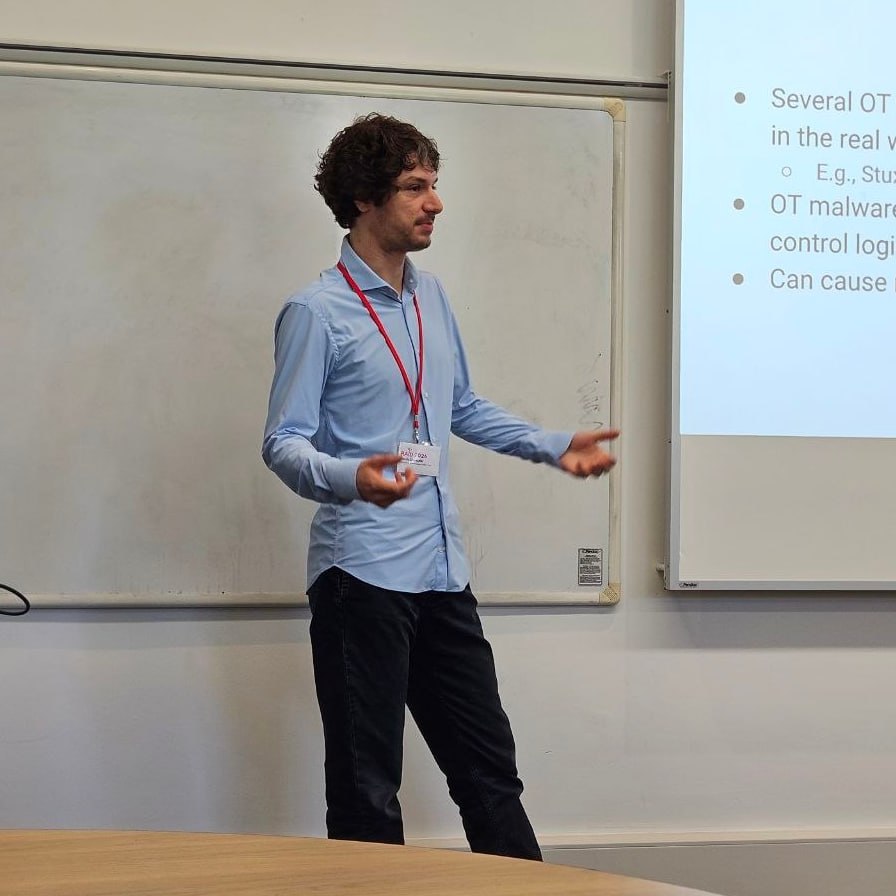
Denis Donadel
Fondazione Bruno Kessler (FBK), Italy
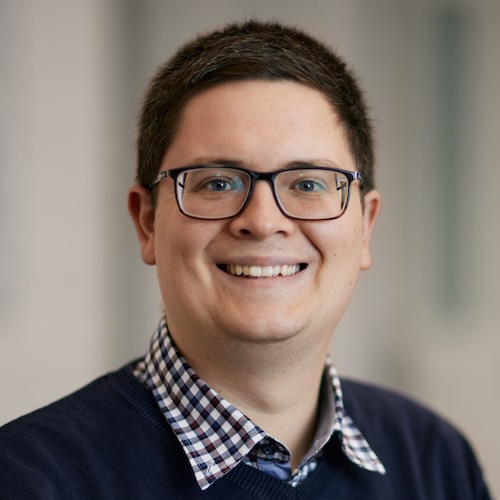
Sebastian Köhler
University of Manchester, UK
Publication and Web Chair
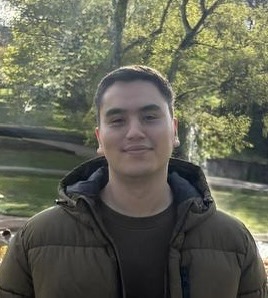
Emad Efatinasab
University of Padova, Italy
Publicity Chair
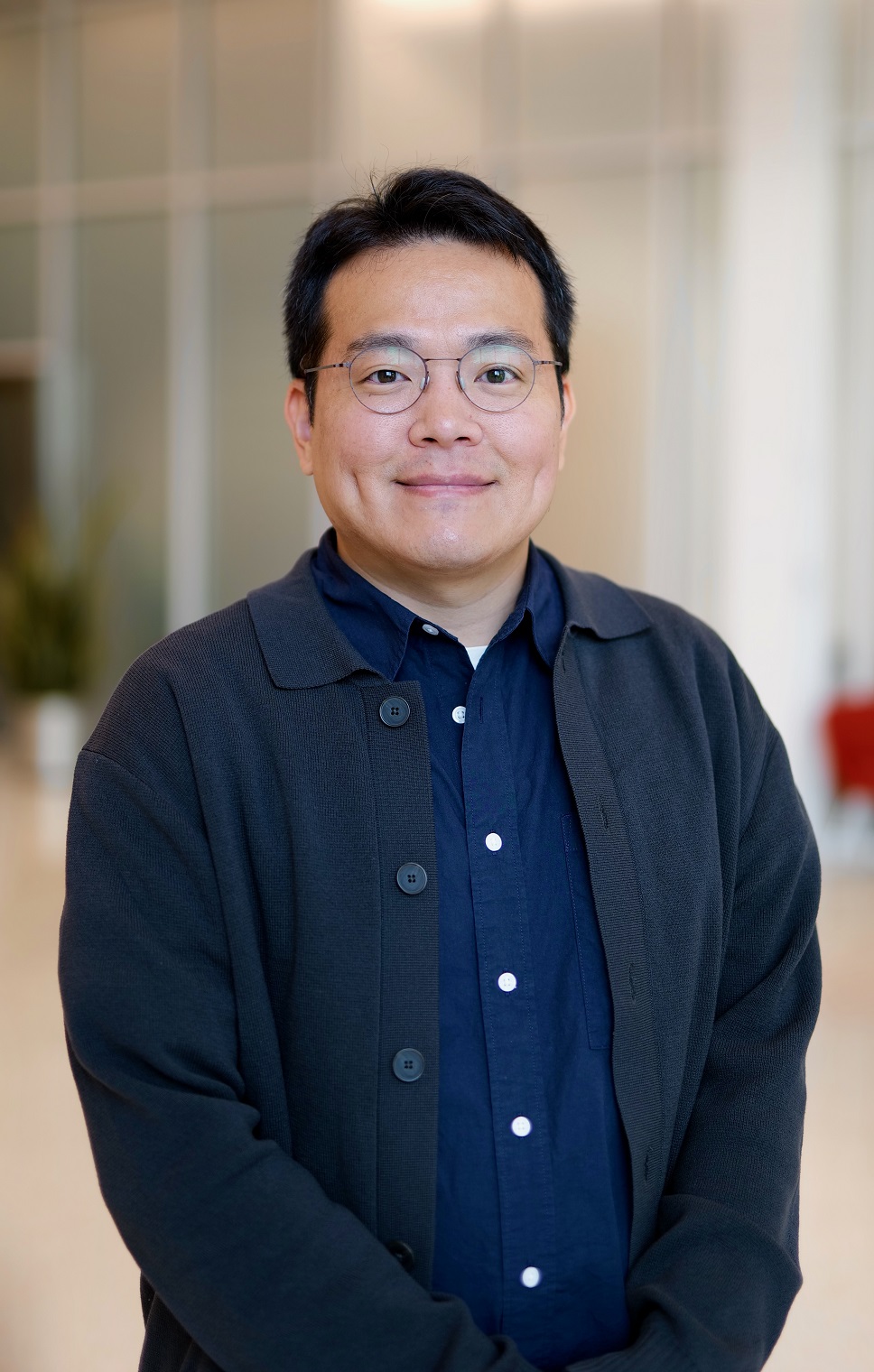
Hyungsub Kim
Indiana University Bloomington, USA
To be announced.
Keynote
To be announced.
Accepted Papers
To be announced.
Program
To be announced.
Registration
To be announced.
Venue
Wynn Palace, Macau
Generative AI Usage
Authors are permitted to use generative or agentic AI tools in the research and writing process, including—but not limited to—generating research ideas, producing experimental code, proving theorems, creating tables or figures, surveying related work, drafting text, and polishing the manuscript. However, authors remain fully responsible for ensuring the correctness of all results and references, as well as the accuracy of all claims presented in the paper.
ACM's New Open Access Publishing Model for 2026 Onwards
Starting January 1, 2026, ACM transitioned to Open Access. All ACM publications, including those from ACM-sponsored conferences, are now 100% Open Access. Authors have two primary options for publishing Open Access articles with ACM: the ACM Open institutional model or by paying Article Processing Charges (APCs). With over 2,600 institutions already part of ACM Open, the majority of ACM-sponsored conference papers will not require APCs from authors or conferences (currently, around 76%).
Authors from institutions not participating in ACM Open need to pay an APC to publish their papers, unless they qualify for a financial waiver. To find out whether an APC applies to your article, please consult the list of participating institutions in ACM Open and review the ACM policy on discretionary Open Access APC waivers. Keep in mind that waivers are rare and are granted based on specific criteria set by ACM.
To support authors and institutions that are still adapting to ACM’s Open Access publishing model, the ACM Council has approved subsidized APC rates for 2027. Authors whose institutions are not yet participating in ACM Open will pay a discounted rate of $500 (ACM/SIG Members) or $750 (Non-Members). We encourage authors to help bring their institutions into ACM Open during 2027, as ACM’s temporary APC subsidy is scheduled to end after this year.
Contact
Email: acmcpssworkshop@gmail.com
CPSS Home: http://jianying.space/cpss/